
Shopping is a regular part of our lives. Whether we are buying groceries, clothes, household essentials, or something we have wanted for a long time, making purchases is part of everyday life.
However, shopping does not always have to mean spending more money. Budget-friendly shopping helps people make thoughtful choices, manage their expenses, and find products that offer good value.
You do not need to stop enjoying shopping to manage your budget. With a few simple habits, it is possible to shop for the things you need while making better use of your money.
What Is Budget-Friendly Shopping?
Budget-friendly shopping means making purchasing decisions while keeping your available budget in mind. It involves thinking about what you need, comparing options, and avoiding unnecessary spending when possible.
For example, someone shopping for groceries might prepare a list before visiting the store. Another person buying clothes may compare prices and consider whether a new item is genuinely useful.
The goal is not always to choose the cheapest product. It is about finding a reasonable balance between price, quality, and personal needs.
Why Budget-Friendly Shopping Matters

Managing shopping expenses can make everyday life easier. When people pay attention to their spending, they may have a better understanding of where their money goes.
This awareness can help reduce unnecessary purchases and make room for other important expenses. Whether you are shopping for yourself, your family, or your home, having a basic spending plan can be useful.
Budget-friendly shopping is not only for people with limited budgets. Anyone can benefit from being more thoughtful about purchasing decisions.
A little planning before buying can often make the shopping experience more comfortable.
1. Helps You Manage Everyday Expenses
One of the main benefits of budget-friendly shopping is that it encourages better control over everyday spending.
Without a plan, it can be easy to buy several things that were not originally needed. Small purchases may seem harmless individually, but frequent spending can add up over time.
Creating a shopping budget can help you decide how much you are comfortable spending on different needs.
For example, you might set aside a specific amount for groceries, household items, and personal purchases. This gives you a clearer idea of your spending without making shopping unnecessarily complicated.
2. Encourages Smarter Purchasing Decisions
Budget-friendly shopping encourages people to think before making a purchase. Instead of buying something immediately, you can take a moment to consider whether it is worth the price.
Ask yourself a few simple questions:
- Do I actually need this product?
- Does the quality match the price?
- Can I find a suitable alternative?
- Will I use this item regularly?
These questions do not mean you have to avoid every purchase that is not essential. They simply help you make decisions with more awareness.
Thoughtful shopping can make it easier to prioritize the products that are genuinely useful.
3. Makes Comparing Prices More Valuable

Prices can vary between stores, websites, and brands. Comparing available options before buying may help you find a product that fits your needs and budget.
For example, if you are looking for a new backpack, you might compare materials, features, prices, and customer reviews before choosing one.
The cheapest option is not always the best value. A slightly more expensive product may be more durable or better suited to your needs.
The key is to compare products based on both cost and usefulness, rather than focusing on price alone.
4. Helps Reduce Unnecessary Shopping
Shopping can be enjoyable, especially when you discover something new or find an attractive offer. However, discounts and promotions can sometimes encourage purchases that were not part of your original plans.
Budget-friendly shopping helps you pause and think about whether a product is truly useful.
For example, before buying another piece of clothing, you could check what you already have in your wardrobe. If you already own something similar, you may decide to wait.
This approach does not mean giving up shopping for fun. It simply encourages you to make choices that fit your priorities.
5. Supports Better Financial Planning
Having a shopping budget can also support broader financial planning. When you become more aware of your regular expenses, it may be easier to organize your money around different needs.
For instance, planning your grocery purchases can help you understand your weekly spending. You can then consider other expenses, such as transportation, education, or personal savings, according to your circumstances.
Everyone’s financial situation is different, so there is no single budget that works for every person.
The important thing is to create a realistic approach that reflects your needs and available resources.
6. Encourages Quality Over Quantity

Budget-friendly shopping is not simply about buying the lowest-priced products. It can also encourage people to consider quality and how long an item may remain useful.
For example, when buying shoes or household furniture, you might look for materials, durability, and features that suit your needs.
A product that lasts longer may offer better value than an inexpensive item that needs to be replaced frequently. However, quality and durability depend on the product, so it is helpful to compare information before deciding.
Making thoughtful purchases can help you focus on useful products instead of buying more than you need.
7. Makes Online Shopping More Thoughtful
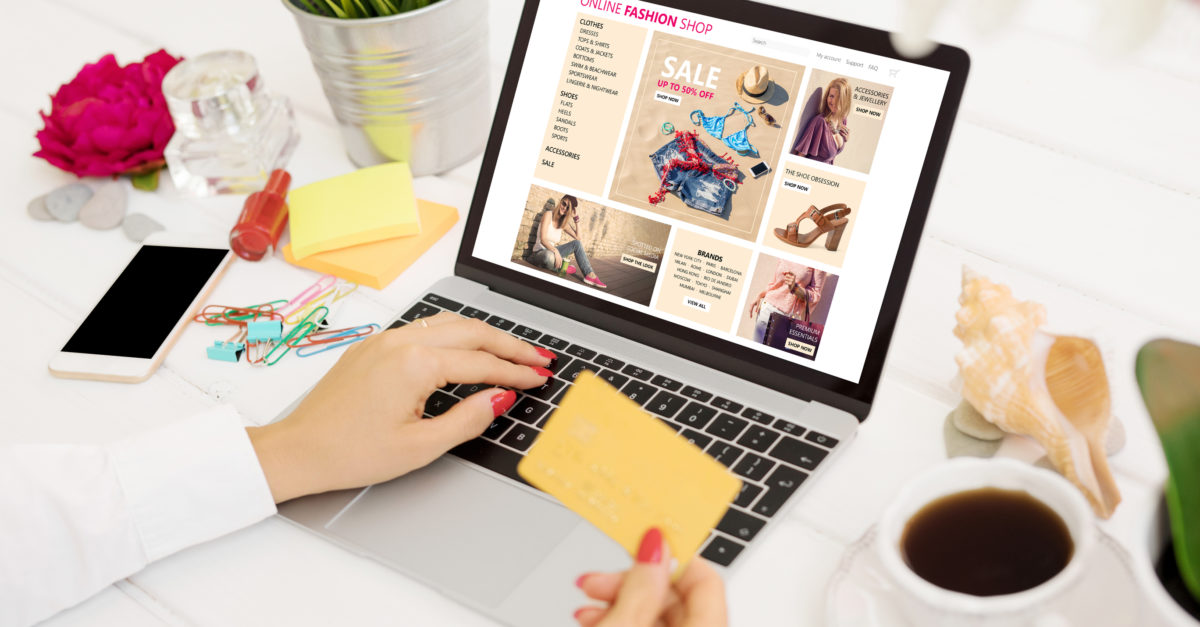
Online shopping has made it easier to browse products, compare prices, and discover new brands. At the same time, the convenience of shopping from home can make it tempting to purchase items quickly.
A simple way to shop more carefully is to review your cart before completing an order. Check the total cost, delivery fees, return policies, and whether the products meet your needs.
Reading customer reviews and checking product details can also help you make more informed choices.
Taking a little extra time before placing an order can make online shopping more organized and intentional.
Simple Tips for Budget-Friendly Shopping
You do not need a complicated system to develop better shopping habits. A few practical steps can make a difference in how you approach everyday purchases.
Make a Shopping List
Write down the items you need before visiting a store or browsing online. A list can help you stay focused and remember important essentials.
Set a Spending Limit
Decide how much you are comfortable spending before shopping. Keep your budget realistic and allow for necessary expenses.
Compare Products
Look at different brands, prices, and product features. Choose an option that meets your needs and offers suitable value.
Avoid Rushing Purchases
If you are unsure about buying something, give yourself time to think. This can help you avoid purchases you may later regret.
Check What You Already Own
Before buying a new item, look at what you have at home. You may already own something that serves the same purpose.
Finding a Healthy Balance Between Saving and Enjoying Shopping
Shopping does not have to become a stressful activity just because you are following a budget. It is possible to manage your spending while still enjoying products and experiences you value.
For example, you might save for a particular item you really want instead of buying several smaller things that you do not need.
It is also important to recognize that people have different priorities and financial circumstances. What works for one person may not work for another.
The best approach is to find a balance that allows you to meet your everyday needs while making room for personal choices.
Final Thoughts
Budget-friendly shopping matters because it encourages people to make thoughtful purchasing decisions, manage everyday expenses, and find value in the products they buy.
You do not need to change all your shopping habits at once. Start by making a list, comparing prices, and thinking about what you genuinely need before making a purchase.
Shopping should be a useful and enjoyable part of life. With a little planning and awareness, you can make choices that suit your budget and your everyday needs.