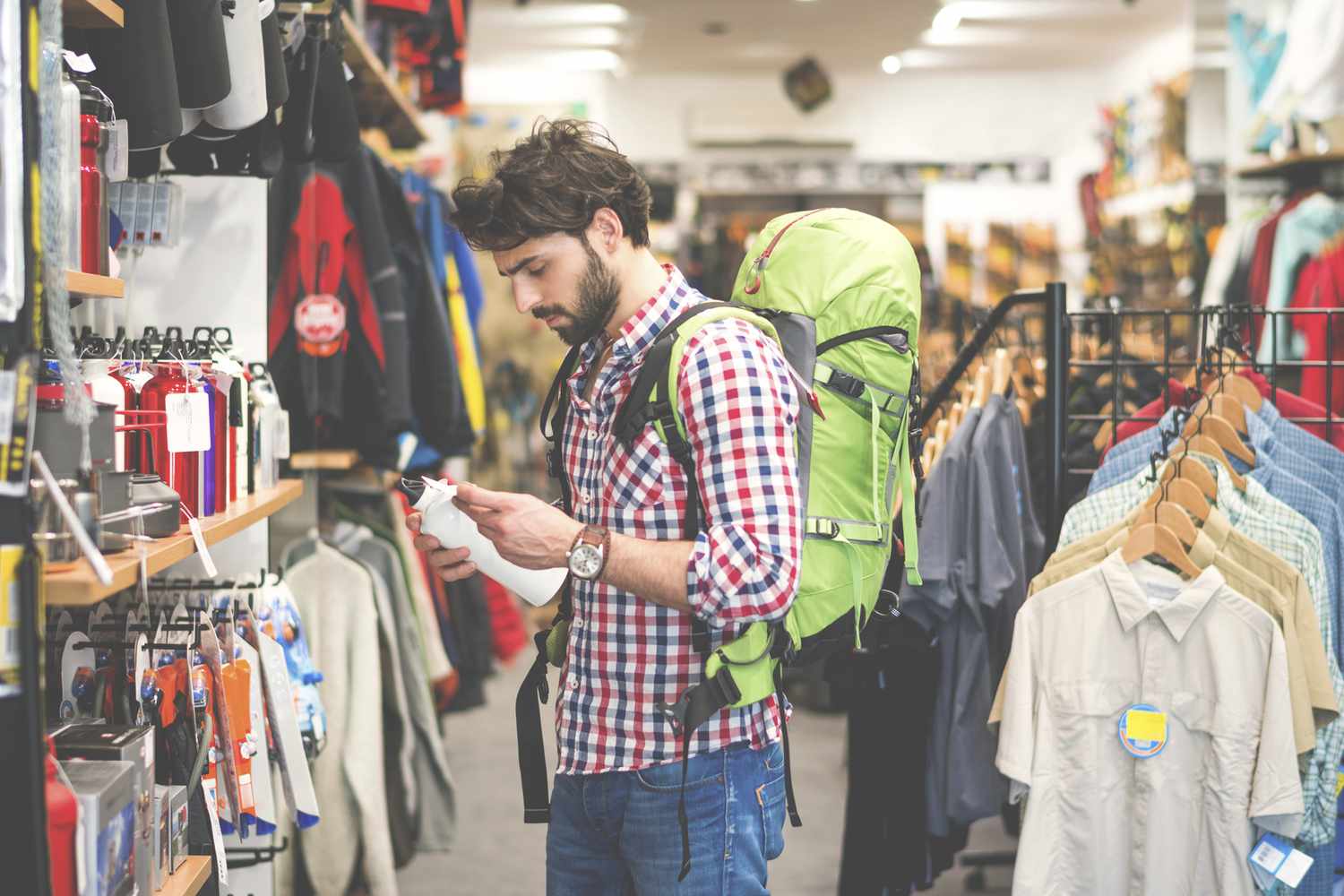

Shopping has changed a lot over the years. In the past, people usually visited physical stores to find products, compare prices, and make purchases. Today, many of us can do the same things from home with just a phone or laptop.
Online shopping has become a regular part of everyday life. From clothes and groceries to electronics and household essentials, people can explore a wide range of products without spending hours visiting different stores.
This change has made shopping more convenient, but it has also introduced new habits and challenges. The way we discover products, compare options, and decide what to buy is now closely connected to technology.
The Growth of Online Shopping

Online shopping allows customers to browse products and place orders through websites and mobile apps. Instead of visiting a store in person, shoppers can explore available options from almost anywhere with an internet connection.
Over time, online stores have expanded their product categories and made digital purchasing easier. Many businesses now offer online ordering alongside their physical stores.
This has given shoppers more ways to find products that suit their needs. It has also changed how businesses present their products and connect with customers.
Online shopping is no longer limited to a small number of product types. It has become a familiar part of modern purchasing habits.
1. Shopping Has Become More Convenient
One of the biggest changes brought by online shopping is convenience. People can browse products, compare options, and place orders without necessarily visiting a physical store.
For example, someone looking for a new pair of shoes can explore different designs, sizes, and prices from home.
This can be especially helpful for people with busy schedules or limited access to nearby stores. Online shopping allows them to explore products at a time that suits them.
However, delivery times, shipping fees, and product availability can vary. Convenience depends on the store and the customer’s circumstances.
2. Customers Can Compare More Products

In a physical store, shoppers may have a limited number of brands and products available in one location. Online shopping makes it easier to explore options from different stores and sellers.
Customers can compare prices, features, sizes, materials, and customer reviews before making a decision.
For example, when buying a kitchen appliance, you can check several models and see how their features and prices differ.
This access to information can help shoppers make more thoughtful choices. However, product descriptions and reviews should be checked carefully because online information is not always complete or accurate.
3. Product Reviews Influence Buying Decisions
Customer reviews have become an important part of online shopping. Before purchasing a product, many people want to know about the experiences of other buyers.
Reviews can provide information about product quality, sizing, delivery, and how an item works in everyday use.
For example, someone buying clothing online might check reviews to learn whether the size is accurate or the material feels comfortable.
Reviews can be useful, but they should not be treated as a guarantee. It is helpful to look for detailed feedback, consider different opinions, and check whether the information applies to the product you are buying.
4. Shopping Is Available Around the Clock

Traditional stores generally operate during specific opening hours. Online stores, on the other hand, allow customers to browse products at different times of the day.
Someone can explore a store in the morning, during a break, or in the evening from home.
This flexibility can be useful for people who have busy routines or prefer shopping outside regular store hours.
Still, customer support, delivery services, and product availability may follow specific schedules. Online access does not always mean every part of the shopping process is available immediately.
5. Businesses Can Reach More Customers
Online shopping has also changed the way businesses sell their products. A company no longer needs to rely only on customers who visit a physical location.
Through websites, online marketplaces, and social media, businesses can introduce products to customers in different cities and regions, depending on their delivery services.
For smaller businesses, an online store can provide another way to showcase their products and connect with potential buyers.
However, running an online business also requires planning. Managing inventory, customer service, delivery, and returns can be challenging.
Online shopping creates opportunities, but businesses still need to provide a reliable customer experience.
6. Mobile Shopping Has Become Part of Daily Life

Smartphones have made online shopping even more accessible. Many customers use mobile apps or websites to browse products, check prices, and place orders.
For example, you might notice a product while using social media and then visit the seller’s website to learn more about it.
Mobile shopping can save time when purchasing familiar items. It also allows customers to keep track of orders and receive updates through their devices.
At the same time, shopping on a small screen can make it important to check product details, final prices, and seller information before completing a purchase.
7. Shopping Experiences Are Becoming More Personalized
Many online stores use information about browsing activity and previous purchases to recommend products to customers.
For example, an online store might show related products based on what someone has viewed or purchased before.
These recommendations can help shoppers discover items that match their interests. They can also introduce products that customers were not actively searching for.
However, recommendations are not always necessary or relevant. Shoppers should feel free to ignore suggestions and focus on what they actually need.
A personalized shopping experience can be convenient, but customers should still make their own purchasing decisions.
8. Delivery and Return Options Matter More
Online shopping has changed what customers expect after placing an order. Delivery speed, shipping costs, tracking, and return policies are now important parts of the shopping experience.
For example, a customer may compare two stores selling similar products and consider which one offers a suitable delivery option.
A clear return policy can also help shoppers understand what to do if an item arrives damaged, does not fit, or differs from the product description.
These policies vary between businesses, so it is useful to review them before making a purchase.
Good product selection is important, but the experience after ordering also matters.
9. Online Shopping Can Encourage Impulse Buying

While online shopping offers many benefits, it can also make it easier to buy products without much planning.
Sales notifications, limited-time offers, and personalized recommendations may encourage people to make quick purchasing decisions.
For example, someone might open an online store to browse products and end up ordering items they did not originally intend to buy.
A simple way to shop more thoughtfully is to review your cart before checking out. Consider the total cost, product usefulness, and whether the purchase fits your budget.
Online convenience is helpful, but taking time to think can make the experience more balanced.
10. Shopping Requires More Attention to Online Safety
As online shopping has grown, customers also need to pay attention to digital safety and trustworthy sellers.
Before making a purchase, check the website address, product information, payment details, and seller reputation when available.
Avoid sharing unnecessary personal information and be cautious with offers that seem too good to be true.
It is also useful to understand a store’s refund and return policies before ordering.
These simple precautions can help shoppers make more informed decisions while using online platforms.
The Future of Online Shopping
Online shopping continues to develop as businesses introduce new digital tools and services. Mobile apps, improved delivery systems, and more convenient payment options may continue to influence the way people purchase products.
However, the future of shopping is not only about technology. Customers will still care about product quality, fair pricing, reliable service, and trustworthy businesses.
Some people will prefer shopping online, while others will continue to enjoy visiting physical stores. Many customers may use both options depending on the product and situation.
The best shopping experience will depend on what works for each person.
Final Thoughts
Online shopping has changed the way we discover products, compare prices, and make purchasing decisions. It has made shopping more convenient and given customers access to a wider range of choices.
At the same time, it is important to pay attention to product quality, delivery policies, online safety, and personal spending habits.
Whether you shop through a website, mobile app, or physical store, thoughtful decisions can help you find products that suit your needs. Online shopping is a useful part of modern life, and learning how to use it wisely can make the experience more comfortable and rewarding.