Shopping has changed a lot over the past few years. People no longer want to scroll through endless products just to find something they like. They want a shopping experience that feels simple, relevant, and suited to their personal needs.
This is where personalization comes in. From product recommendations to personalized offers, brands are finding new ways to understand what customers want. As technology continues to improve, personalization is becoming an important part of the future of shopping.
What Does Personalization Mean in Shopping?
Personalization means creating a shopping experience based on a customer’s interests, preferences, and needs. Instead of showing everyone the same products, retailers try to offer choices that match what each person is looking for.
For example, an online store might recommend shoes based on products you’ve viewed before or suggest home decor that matches your previous interests. These small details can make shopping feel more convenient and enjoyable.
How Technology Is Making Shopping More Personal
Technology is one of the biggest reasons personalization is growing so quickly. Online stores can use shopping activity, product preferences, and customer feedback to understand what people may be interested in.
Artificial intelligence is also helping retailers make better recommendations. It can identify patterns in customer behavior and suggest relevant products, making it easier for shoppers to discover items they might otherwise miss.
Personalized Product Recommendations
Have you ever visited an online store and noticed products that matched your interests? That’s a common example of personalization. Retailers use recommendations to help customers find relevant items without spending too much time searching.
These suggestions can also introduce shoppers to new brands and products. When recommendations are useful rather than repetitive, they can make the entire shopping experience feel more natural.
The Rise of Personalized Offers and Discounts
Many shoppers appreciate a good deal, but not every offer is useful to everyone. Personalized discounts allow retailers to share promotions based on customer interests, previous purchases, or shopping habits.
For example, someone who regularly shops for skincare might receive offers on beauty products, while another customer might see discounts on clothing or home accessories. When done thoughtfully, these offers can help customers find better value.
How Personalization Is Changing Online Shopping
Online shopping gives retailers many opportunities to create more tailored experiences. From personalized homepages to product suggestions and targeted emails, customers can see options that better match their interests.
This can save time and make browsing less overwhelming. Instead of looking through hundreds of unrelated items, shoppers can focus on products that are more likely to suit their needs.
However, personalization works best when customers still have plenty of choice. Recommendations should help people discover products, not limit them to the same types of items again and again.
The Role of Personalization in Physical Stores
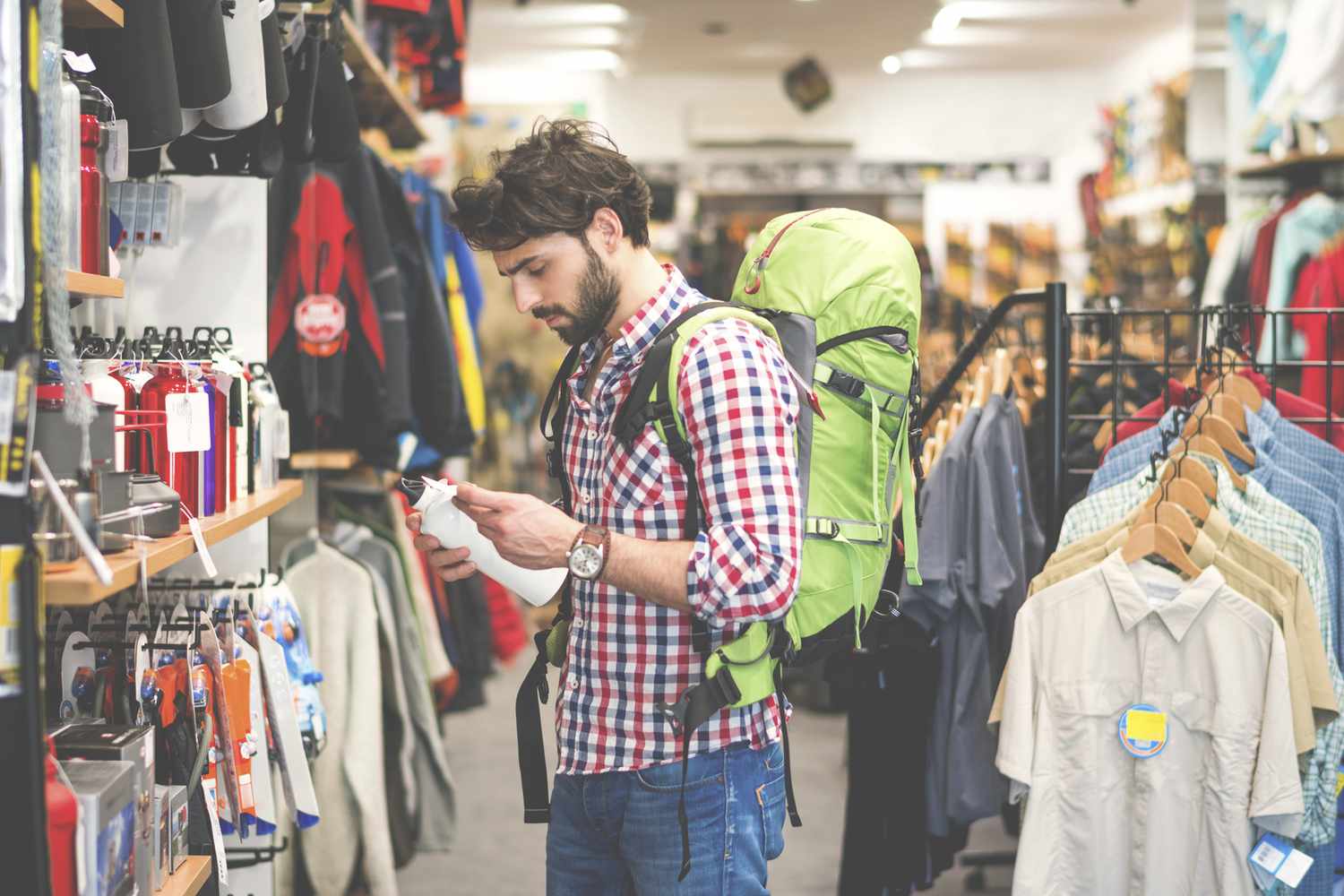
Personalization is not limited to online shopping. Physical stores are also finding ways to make shopping more convenient and customer-focused.
Retailers may use loyalty programs, purchase histories, and customer feedback to offer relevant deals or suggest suitable products. Some stores also provide personalized services, such as styling advice or product recommendations based on individual preferences.
This combination of technology and personal service can make visiting a store feel more helpful. Customers still enjoy exploring products in person, but they can also benefit from experiences that reflect their interests.
Why Customers Appreciate Personalized Shopping
People have different tastes, budgets, and priorities. A shopping experience that recognizes these differences can feel more useful than one that treats every customer the same way.
Some of the main benefits include:
- Saving time: Relevant recommendations make it easier to find suitable products.
- Discovering new items: Shoppers can explore products that match their interests.
- Finding better offers: Personalized promotions may help customers save on things they actually want.
- Enjoying a smoother experience: A well-organized shopping journey can make browsing less stressful.
- Feeling understood: Thoughtful recommendations can make customers feel that a brand understands their needs.
When these benefits come together, shopping can become more enjoyable and less frustrating.
Privacy and Trust Still Matter
Although personalization offers many advantages, it also raises questions about privacy. Customers may not feel comfortable when brands collect too much information or use their shopping activity in ways they do not understand.
Retailers need to be clear about how they collect and use customer data. Giving people control over their preferences and respecting their privacy can help build stronger relationships.
The goal should be to make shopping more helpful, not to make customers feel watched. When brands balance personalization with transparency, customers can enjoy a more tailored experience with greater confidence.
The Future of Personalized Shopping
Personalization will likely become even more common as shopping technology develops. AI-powered assistants may help customers compare products, find suitable options, and receive recommendations based on their individual needs.
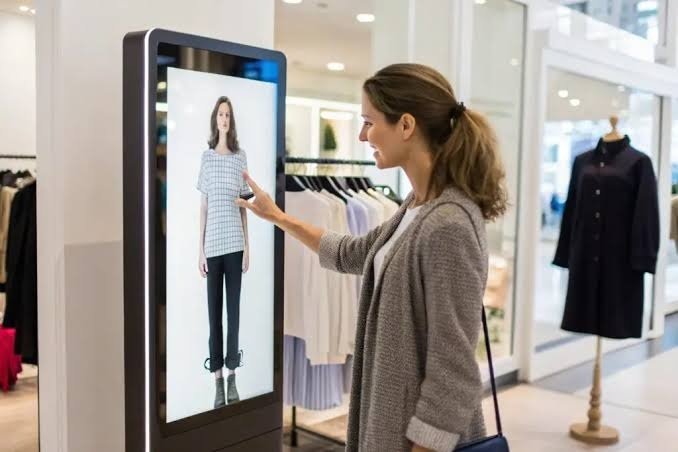
Virtual shopping tools could also make it easier to explore products before buying them. For example, shoppers may be able to preview furniture in their homes or discover clothing styles that match their preferences.
At the same time, customers will continue to value honest recommendations, reasonable prices, and good customer service. Technology may make shopping smarter, but the experience still needs to feel useful and genuine.
Final Thoughts
Personalization is changing shopping by making it more relevant, convenient, and focused on individual needs. Whether someone is shopping online or visiting a physical store, personalized experiences can help them find products that suit their interests.
Still, the best shopping experiences are not just about smart technology. They also depend on trust, choice, and understanding what customers truly value.
As shopping continues to evolve, personalization will play an important role in how people discover products and connect with brands. The retailers that get this balance right will be better placed to create experiences that customers genuinely enjoy.