
Taking care of the environment does not always require big changes or complicated plans. Sometimes, the smallest everyday actions can make a meaningful difference in how we use resources and care for the world around us.
From reducing household waste to saving water and choosing reusable products, simple habits can become part of our daily routines. You do not need to change everything at once. Starting with one or two practical steps is a good way to build awareness.
In 2026, environmental responsibility continues to be an important topic, and everyone can play a role through thoughtful everyday choices.
Why Small Actions Matter
Environmental problems can feel overwhelming, especially when we think about pollution, waste, and the use of natural resources. It may seem like individual actions are too small to matter.
However, everyday habits can add up when many people make changes. Simple decisions, such as using less unnecessary packaging or avoiding waste, can help support more responsible resource use.
The goal is not to live a perfect lifestyle. It is to become more aware of our choices and make improvements where possible.
1. Reduce the Use of Single-Use Products

Single-use products are a common part of everyday life. Plastic bags, disposable cups, and other throwaway items can create unnecessary waste when used frequently.
One simple way to reduce this waste is to choose reusable alternatives when they are practical. Carrying a reusable shopping bag or water bottle can be an easy habit to develop.
You do not have to replace every product in your home immediately. Start with items you use regularly, and choose alternatives when they are convenient and affordable.
Small changes in how we shop and use everyday products can encourage more mindful consumption.
2. Save Water at Home
Water is an essential resource, and using it carefully is an important part of responsible living. Simple habits at home can help reduce unnecessary water use.
For example, turn off the tap while brushing your teeth, avoid leaving water running when it is not needed, and fix leaking taps when possible.
You can also be more mindful when washing dishes, cleaning, or watering plants. These actions may seem minor, but they encourage better awareness of how water is used.
Saving water is not about avoiding necessary use. It is about reducing waste and making sensible choices.
3. Be More Careful About Food Waste
Food waste is another everyday issue that people can address through simple planning. Buying more food than you need can lead to unused ingredients and unnecessary waste.
Before going grocery shopping, take a quick look at what you already have at home. Planning a few meals can help you purchase items that are more likely to be used.
Store food properly and try to use suitable leftovers when possible. If you have more food than you need, sharing it safely or exploring composting options may also help.
Being mindful of food can support both household budgeting and more responsible resource use.
4. Choose Walking or Cycling for Short Trips

For short and suitable journeys, walking or cycling can be practical alternatives to driving. These activities can also add movement to your day.
For example, walking to a nearby shop or cycling to a local destination may be an option when the route and conditions are safe.
Of course, not every trip can be made without a car or other transport. Distance, weather, accessibility, and personal safety all matter.
The idea is to consider different travel options when they fit your needs, rather than feeling pressured to change every journey.
5. Recycle and Reuse Items Properly
Recycling is often discussed when it comes to protecting the environment, but it works best when people understand the systems available in their communities.
Before throwing something away, consider whether it can be reused, repaired, donated, or recycled through a suitable local program.
For example, glass containers may be reused for storage, while unwanted clothing in good condition may be donated.
Recycling rules differ between locations, so check what your local collection service accepts. Putting unsuitable materials into recycling bins can create additional sorting problems.
A little attention to disposal can help reduce avoidable waste.
6. Save Electricity Whenever Possible
Electricity is part of almost every modern household. From lighting and cooling to charging devices, we use energy throughout the day.
Simple habits can help avoid unnecessary electricity use. Turn off lights in empty rooms, unplug devices when appropriate, and use energy-efficient appliances when replacing older ones.
You can also make use of natural daylight when it is practical. During warmer weather, thoughtful use of fans, cooling, and ventilation may help manage energy consumption.
These choices will not eliminate household energy use, but they can encourage more efficient habits over time.
7. Avoid Buying Things You Do Not Need

Shopping is a regular part of life, and it is easy to purchase things simply because they are on sale or trending. Before buying something, it can be helpful to ask whether you genuinely need it.
Choosing durable products, repairing items, and buying secondhand when suitable are some ways to make more thoughtful purchasing decisions.
For example, a piece of furniture may be repaired instead of replaced, or pre-owned clothing may be considered before buying something new.
Responsible shopping does not mean avoiding purchases altogether. It means thinking about value, usefulness, and how products fit into your lifestyle.
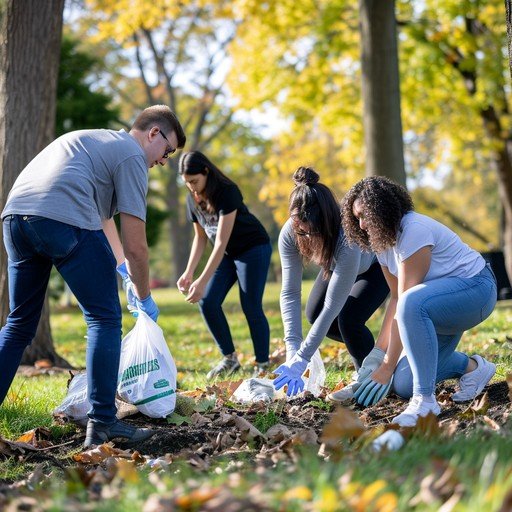
8. Keep Your Local Area Clean
A cleaner environment starts with the places we use every day. Streets, parks, schools, and neighborhoods all benefit when people dispose of their waste responsibly.
One simple habit is to use available trash bins and avoid leaving litter behind. If you notice waste in your surroundings, you can help when it is safe and appropriate to do so.
Taking part in a local cleanup or encouraging friends and family to care for shared spaces can also support community awareness.
A clean neighborhood is not only more pleasant to look at. It can also help create a stronger sense of shared responsibility.
9. Use Paper More Thoughtfully
Paper is useful in homes, schools, and workplaces, but unnecessary printing and waste can be reduced through simple choices.
When practical, use digital notes, print only what you need, and make use of both sides of paper for suitable tasks.
Old notebooks, boxes, and paper materials may also have reuse opportunities before they are thrown away.
These small adjustments can help people become more aware of the materials they use every day.
10. Encourage Others Through Your Actions
Environmental awareness can grow through everyday conversations and shared habits. You do not need to lecture people or expect everyone to make the same choices.
Instead, you can share useful ideas with friends and family, such as carrying reusable bags or reducing food waste at home.
When people see practical habits in action, they may become interested in trying them for themselves.
The most helpful approach is to encourage positive changes while recognizing that everyone’s circumstances are different.
Making Environmental Habits Part of Everyday Life
Building new habits takes time, and it is normal to have days when things do not go as planned. What matters is finding changes that are realistic and manageable.
You could begin by choosing three simple actions:
- Use a reusable water bottle when convenient.
- Reduce food waste by planning purchases.
- Turn off unnecessary lights and devices.
Once these habits become familiar, you can explore other ways to reduce waste and use resources more carefully.
The focus should be on steady improvement rather than trying to do everything perfectly.
Final Thoughts
Supporting a cleaner environment does not always require major lifestyle changes. Small everyday actions, such as saving water, reducing waste, reusing products, and keeping local spaces clean, can help build more responsible habits.
Everyone has different needs and resources, so the best changes are those that fit naturally into daily life. Start with one simple step, learn what works for you, and continue making thoughtful choices whenever possible.
A cleaner environment begins with awareness, and even ordinary daily decisions can be a useful place to start.