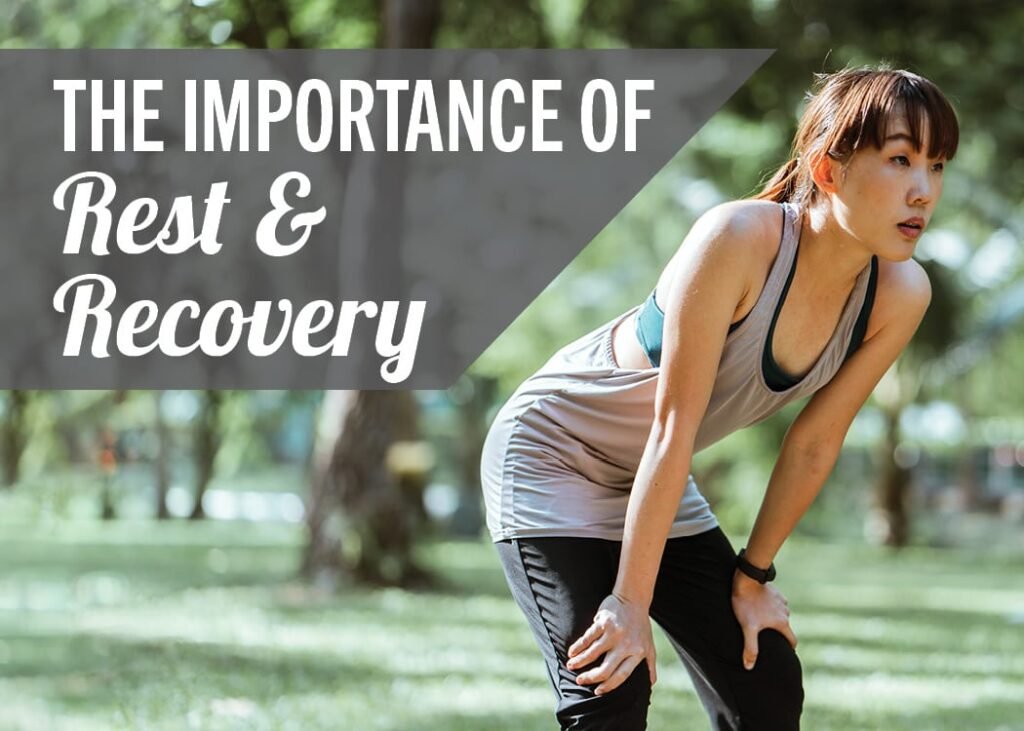
When people talk about health and fitness, they often focus on exercise, workouts, and staying active. But one important part of the process is sometimes overlooked: rest and recovery.
Whether you enjoy going to the gym, walking, running, or doing workouts at home, your body needs time to recover. Taking a break is not a sign of laziness. It is a natural part of maintaining a healthy and balanced routine.
Understanding the importance of rest can help you approach fitness with more energy, patience, and consistency.
Why Rest Is Important for Your Body
Every time you exercise, your body works to support your movements and physical effort. Your muscles, joints, and energy systems need time to recover after activity.
Rest gives your body an opportunity to repair and adapt. Without enough recovery, you may feel tired, struggle to maintain your usual activities, or find exercise less enjoyable.
This is why a healthy fitness routine should include both movement and proper rest. You do not need to be active every moment of the day to make progress.
The Difference Between Rest and Recovery
Rest and recovery are closely connected, but they are not exactly the same thing.
Rest generally means taking a break from physical activity or reducing your level of effort. This can include a day away from structured workouts or a lighter day when you focus on gentle movement.
Recovery is the broader process of helping your body and mind return to a comfortable, ready state after activity. It includes sleep, nutrition, hydration, and managing your daily workload.
Both are important for maintaining a sustainable approach to health and fitness.
How Rest Supports Exercise Performance

It can be tempting to think that working out more always leads to better results. In reality, constantly pushing yourself without enough recovery can make it harder to enjoy exercise and maintain your routine.
When you allow time for recovery, you give yourself a chance to feel refreshed before your next activity. This can support better concentration, comfortable movement, and the energy needed for exercise.
For example, someone who exercises several days a week may benefit from alternating more challenging sessions with easier activities or rest days.
The right balance depends on your fitness level, schedule, and how your body feels.
The Connection Between Sleep and Recovery
Sleep is one of the most important parts of recovery. During sleep, your body carries out processes that support physical repair, energy regulation, and overall health.
Not getting enough sleep can affect your energy, concentration, and ability to perform everyday activities. It may also make workouts feel more difficult.
Creating a regular sleep routine can be a helpful starting point. Try to maintain consistent sleep and wake times, limit distractions before bed, and give yourself enough time to rest.
Good sleep is not just useful for fitness. It supports your overall well-being.
Signs That You May Need More Rest
Your body can give you signals when your current activity level is not balanced with enough recovery. Paying attention to these signs can help you make thoughtful decisions about your routine.
Some common signs may include:
- Feeling unusually tired throughout the day.
- Finding your usual activities more difficult than normal.
- Experiencing ongoing muscle soreness or discomfort.
- Feeling less motivated to exercise.
- Having trouble concentrating or maintaining energy.
These signs can have many possible causes, including stress, poor sleep, or other health concerns. They should not automatically be blamed on exercise.
If you experience persistent pain, unusual fatigue, or other concerning symptoms, consider speaking with a qualified healthcare professional.
Rest Days Do Not Mean You Are Being Lazy

Many people feel guilty when they take a day off from exercise. They may think that missing a workout means they are falling behind or losing progress.
But rest is a normal part of a balanced lifestyle. Everyone has different energy levels, responsibilities, and recovery needs.
A rest day can be an opportunity to enjoy a relaxing activity, spend time with family, read a book, or simply take a break from a busy schedule.
You do not need to earn rest through exercise. It is a basic part of taking care of yourself.
Simple Ways to Support Recovery
You do not need expensive equipment or complicated routines to make recovery part of your lifestyle. A few simple habits can help.
1. Get Enough Sleep
Make sleep a regular priority. A consistent bedtime routine can help you feel more rested and prepared for the day ahead.
2. Stay Hydrated
Drink water regularly throughout the day. Your hydration needs can vary depending on your activity, environment, and individual circumstances.
3. Eat Balanced Meals
Your body needs energy and nutrients to support daily activities and recovery. Include a variety of foods that help you meet your nutritional needs.
4. Choose Gentle Movement
On days when you do not want a challenging workout, consider comfortable walking or gentle movement if it feels appropriate. Recovery does not have to mean staying completely still.
5. Listen to Your Body
Pay attention to how you feel before, during, and after exercise. Adjusting your activity when you need a break can help you build a more sustainable routine.
Finding the Right Balance in Your Fitness Routine
Everyone’s recovery needs are different. A beginner may need a different schedule from someone who has been exercising regularly for years.
Your activity level, sleep, stress, and daily responsibilities can all affect how much rest you need. There is no single routine that works perfectly for everyone.
Instead of focusing only on how often you exercise, think about how your routine makes you feel over time. A balanced approach should leave room for activity, rest, and other important parts of life.
Consistency does not mean pushing yourself every day. It means finding habits you can continue in a healthy and manageable way.
Final Thoughts
Rest and recovery are essential parts of a balanced health and fitness routine. They give your body time to recover, support your everyday energy, and help you approach physical activity with a healthier mindset.
Whether you exercise regularly or are just starting your fitness journey, remember that taking breaks is completely normal. Make time for sleep, listen to your body, and give yourself permission to slow down when needed.
A healthy lifestyle is not just about staying active. It is also about knowing when to rest and taking care of yourself along the way.