
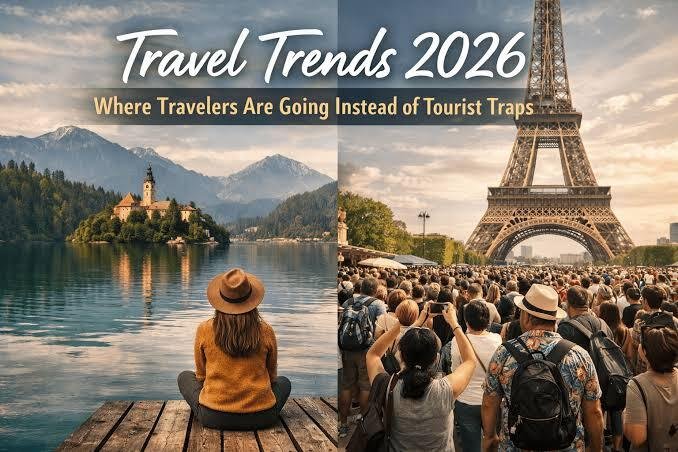
Travel is changing, and people are starting to look at vacations differently. Instead of simply visiting famous landmarks and taking photos, many travelers now want experiences that feel personal, relaxing, and meaningful.
In 2026, technology, changing lifestyles, and a growing interest in local culture are influencing how people plan their trips. From discovering hidden destinations to choosing more flexible travel plans, the way we explore the world is becoming more diverse and exciting.
1. Technology Is Making Travel Planning Easier
Planning a trip used to mean spending hours searching websites, comparing hotels, and reading travel guides. Today, technology has made much of this process quicker and more convenient.
Travelers can use AI-powered tools to discover destinations, organize itineraries, and find activities that match their interests. These tools can be especially helpful when planning a trip to an unfamiliar country or managing a busy travel schedule.
However, technology does not replace everything. Many people still enjoy asking locals for recommendations and discovering places that might not appear in a travel app.
2. Slow Travel Is Becoming More Popular
Not every traveler wants to visit five cities in one week. More people are discovering the benefits of slowing down and spending extra time in one destination.
Slow travel allows visitors to explore local neighborhoods, enjoy traditional food, and understand the culture beyond popular tourist attractions. It can also make a vacation feel less rushed and more enjoyable.
Whether it means spending a week in a small coastal town or enjoying quiet mornings in a historic city, this approach gives travelers more opportunities to appreciate the journey itself.
3. Budget-Friendly Travel Is a Growing Priority
Travel can be expensive, especially when accommodation, transportation, food, and activities are all added together. As a result, many people are looking for smarter ways to explore without putting too much pressure on their budgets.
Travelers are comparing prices, booking during quieter periods, and considering destinations where their money goes further. Staying in guesthouses, using public transportation, and exploring free attractions can also help reduce costs.
A memorable trip does not always require a luxury hotel or expensive restaurant. Sometimes, a local food market, a beautiful walking route, or a conversation with a resident becomes the best part of the experience.
4. Local Experiences Are Taking Center Stage
Visiting famous attractions can be exciting, but travelers increasingly want to experience what everyday life looks like in the places they visit.
This might mean joining a cooking class, visiting a family-run café, exploring a neighborhood market, or learning about traditional crafts. These activities offer a closer connection to local culture.
Local experiences can also help travelers discover something unexpected. Instead of following the same itinerary as everyone else, they can find places and activities that make their trip feel unique.
5. Social Media Continues to Influence Travel Choices
Social media has changed how people discover destinations. A short video of a mountain village, a peaceful beach, or a lively street market can inspire someone to plan an entire vacation.
Platforms such as Instagram, TikTok, and Pinterest give travelers access to ideas from around the world. They can find travel tips, see what destinations look like, and learn from other people’s experiences before making a decision.
Still, it is worth looking beyond attractive photos and viral videos. Checking recent reviews, local conditions, transportation options, and seasonal weather can help travelers choose destinations that genuinely suit their plans.
6. Sustainable Travel Is Getting More Attention
Many travelers are becoming more aware of how tourism affects the environment and local communities. This awareness is encouraging people to think more carefully about their travel choices.
Simple decisions can make a difference. Travelers might use trains or public transportation when practical, carry reusable water bottles, support local businesses, or choose accommodation with responsible environmental practices.
Sustainable travel does not mean giving up enjoyable experiences. Instead, it is about finding ways to explore new places while respecting the people, wildlife, and natural environments that make them special.
7. Nature-Based Trips Are Attracting More Travelers
Busy schedules and constant screen time have encouraged many people to seek vacations that offer a break from everyday routines. Nature-based travel provides an opportunity to spend time outdoors and enjoy a different pace of life.
Mountain walks, countryside stays, national parks, lakeside escapes, and beach trips are all ways to experience the natural world. These trips can offer fresh scenery, outdoor activities, and time away from crowded urban spaces.
Not every nature-focused vacation needs to involve challenging adventures. Even a quiet weekend in the countryside can provide a welcome change of scenery.
8. Personalized Travel Is Becoming More Important
Travelers have different interests, budgets, and ideas of what makes a great vacation. Some prefer busy cities and cultural attractions, while others want peaceful surroundings or outdoor adventures.
Travel planning is becoming more flexible, allowing people to build trips around their own preferences. Digital recommendations, customizable itineraries, and a wider range of accommodation options make it easier to create a suitable travel experience.
This shift also encourages people to think beyond traditional vacation packages. A trip can combine a few days of sightseeing with time to relax, enjoy local food, or visit friends and family.
9. Short Getaways Are Fitting Modern Lifestyles
Not everyone has the time or budget for a long international vacation. Short trips are becoming an appealing way to take a break without making complicated arrangements.
A weekend in a nearby city, a countryside retreat, or a short beach escape can offer a change of pace. These smaller trips can also be easier to plan around work, studies, and family commitments.
With a little research, travelers can find interesting places closer to home. Sometimes, exploring somewhere new just a few hours away is enough to make an ordinary weekend feel special.
10. Flexible Travel Plans Matter More Than Ever
Travel plans do not always go exactly as expected. Weather changes, transportation delays, and unexpected expenses can affect even the most carefully planned itinerary.
That is why flexibility has become an important part of modern travel. Travelers may leave free time in their schedules, choose bookings with suitable cancellation policies, or research alternative routes before leaving home.
A flexible plan makes it easier to adjust when something changes. It also leaves room for spontaneous discoveries, such as finding a local festival or visiting an attraction recommended by someone along the way.
Final Thoughts
Travel in 2026 is about more than ticking destinations off a list. People are finding new ways to make their journeys more personal, affordable, flexible, and connected to the places they visit.
Technology is helping with planning, while local experiences, nature-based trips, and slower travel are encouraging people to explore with greater purpose. At the same time, budget-conscious decisions and flexible itineraries are making travel more practical for different lifestyles.
The best travel experience does not have to be the most expensive or adventurous one. It is the trip that suits your interests, fits your circumstances, and leaves you with memories worth keeping.