
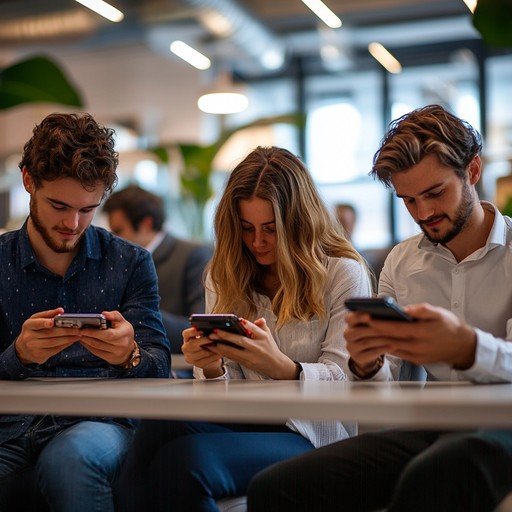
Smartphones have become a regular part of our everyday lives. We use them to communicate with friends, check the news, take pictures, shop online, and even manage our daily tasks.
What started as a simple communication device has now become a useful tool for work, education, entertainment, and much more. As technology continues to change, the role of smartphones in our lives is changing too.
Today, it is difficult to imagine a normal day without using a smartphone. However, understanding how these devices affect our routines can help us use them in a more balanced and practical way.

Smartphones Have Changed Communication
One of the biggest changes brought by smartphones is the way we communicate. In the past, people often depended on landline phones, letters, or face-to-face meetings to stay connected.
Today, we can send messages, make video calls, and share updates within seconds. Smartphones make it easier to stay in touch with family members, friends, and colleagues, even when they live far away.
Social media and messaging apps have also made communication more convenient. A quick message can help us share information or check on someone without needing a long conversation.
A Useful Tool for Work and Education
Smartphones are no longer used only for calls and entertainment. Many people now use them to complete work-related tasks, attend online classes, read documents, and manage schedules.
Students can use educational apps, watch learning videos, and search for information while studying. Professionals can check emails, join meetings, and communicate with their teams from different locations.
Of course, smartphones cannot replace every learning or work resource. However, they provide quick access to tools that can make everyday responsibilities easier.
Smartphones Make Everyday Tasks More Convenient
Modern smartphones bring many useful features into one small device. People can use them to check directions, order food, pay bills, book appointments, and shop online.
Navigation apps help us find unfamiliar places, while reminder and calendar apps make it easier to organize our schedules. Mobile banking and digital payment services have also changed how many people manage everyday transactions.
These features save time and reduce the need to carry several separate devices. A smartphone can act as a camera, calculator, calendar, map, and much more.

The Growing Role of Smartphones in Entertainment
Entertainment has also changed because of smartphones. People can listen to music, watch videos, read stories, play games, and explore online content whenever they have free time.
This easy access gives users more choices than ever before. Instead of waiting to watch a particular program, people can choose content that matches their interests and schedule.
However, having unlimited entertainment at our fingertips can sometimes make it difficult to take a break. Setting aside time for offline activities, hobbies, and face-to-face conversations can help create a healthier routine.
Smartphones and Social Connections
Smartphones can help people stay connected, but they have also changed how social interactions happen. It is now common to share pictures, send quick updates, or communicate through group chats.
These features can be helpful, especially for people who live far apart. Families and friends can remain involved in each other’s lives through regular calls and messages.
At the same time, digital communication does not always provide the same experience as an in-person conversation. Making time for direct interaction can help maintain meaningful relationships.
The Importance of Using Smartphones Responsibly
Smartphones offer many benefits, but the way we use them matters. Spending too much time on a device can interfere with sleep, studies, work, or time with family.
A few simple habits can make smartphone use more balanced:
- Take regular breaks: Put your phone aside during meals or relaxing activities.
- Manage notifications: Turn off unnecessary alerts to reduce distractions.
- Set screen-free periods: Avoid using your phone when preparing for sleep.
- Use helpful apps: Choose tools that support learning, organization, and productivity.
- Stay aware of privacy: Be careful when sharing personal information online.
The goal is not to stop using smartphones. It is to make sure they support our lives instead of controlling our attention.

How Smartphones May Continue to Change
Smartphone technology continues to develop. Features related to artificial intelligence, mobile photography, health tracking, and digital security are becoming more common.
Future smartphones may offer even more ways to manage information and complete daily tasks. As these features develop, users will need to understand how to use them carefully and make informed choices about their digital habits.
Technology can be useful, but it is still important to consider privacy, reliability, and the effect of new features on everyday life.
Final Thoughts
Smartphones have changed the way we communicate, work, learn, and enjoy our free time. They provide convenience and access to useful tools that were not always available in the past.
At the same time, using a smartphone wisely is just as important as having access to its features. By setting healthy boundaries and making time for offline experiences, we can enjoy the benefits of technology without allowing it to take over our daily routines.